


When choosing new flooring for your home, one of the most common debates homeowners face is engineered wood flooring vs. Solid Hardwood: Key Differences Explained. Both options offer the timeless beauty of real wood, but they differ significantly in construction, durability, cost, and installation methods.
Understanding these differences will help you select the right flooring for your lifestyle, climate, and budget.
What Is Engineered Wood Flooring?
Engineered wood flooring is made from multiple layers of wood. The top layer is a real hardwood veneer, while the core consists of high-quality plywood or high-density fiberboard (HDF). These layers are bonded together under heat and pressure.
Key Features of Engineered Wood Flooring
- Layered construction for enhanced stability
- Better resistance to moisture and humidity
- Suitable for basements and kitchens
- Can be installed as floating, glued, or nailed down
Because of its layered design, engineered wood is less likely to expand and contract with temperature changes. This makes it ideal for areas with fluctuating humidity levels.
What Is Solid Hardwood Flooring?
Solid hardwood flooring is made from a single, solid piece of natural wood. Each plank is typically ¾ inch thick and milled from species like oak, maple, or walnut.
Key Features of Solid Hardwood
- 100% natural wood construction
- Can be sanded and refinished multiple times
- Long lifespan (often 50+ years)
- Typically nailed or stapled to a wooden subfloor
Solid hardwood is prized for its authenticity and ability to be refinished many times, making it a long-term investment.
Construction Differences
The primary distinction in Engineered Wood Flooring vs. Solid Hardwood: Key Differences Explained lies in how the planks are built.
- Engineered wood: Multi-layer construction with a hardwood veneer on top
- Solid hardwood: Single solid wood plank throughout
This structural difference impacts durability, moisture resistance, and installation flexibility.
Moisture and Climate Performance
Moisture resistance is one of the biggest factors when comparing these two flooring types.
Engineered Wood
Thanks to its cross-layered core, engineered wood handles humidity and temperature changes better. It’s suitable for:
- Basements
- Condos
- Homes in humid climates
Solid Hardwood
Solid hardwood is more sensitive to moisture. It can warp or cup if exposed to high humidity or water. It performs best in:
- Living rooms
- Bedrooms
- Climate-controlled environments
When discussing Engineered Wood Flooring vs. Solid Hardwood: Key Differences Explained, moisture resistance is often the deciding factor.
Installation Methods
Installation options vary significantly between the two.
Engineered Wood Installation
- Floating floor (click-lock system)
- Glue-down
- Nail-down
This flexibility makes engineered wood easier and sometimes less expensive to install.
Solid Hardwood Installation
- Nail-down or staple-down only
- Requires a wooden subfloor
- Usually requires professional installation
Solid hardwood installation tends to be more labor-intensive and costly.
Refinishing and Lifespan
One major advantage of solid hardwood is its ability to be refinished multiple times. Since the planks are solid throughout, they can be sanded down repeatedly over decades.
Engineered wood can also be refinished—but only if the veneer layer is thick enough. Lower-quality engineered floors may only allow one or two refinishes.
In terms of longevity:
- Solid hardwood: 50–100 years with proper care
- Engineered wood: 20–40 years depending on quality
Cost Comparison
Cost often influences the decision in Engineered Wood Flooring vs. Solid Hardwood: Key Differences Explained.
Engineered Wood
- Generally more affordable
- Lower installation costs
- Wide price range depending on veneer thickness
Solid Hardwood
- Higher material cost
- Higher installation cost
- Long-term value due to durability
While solid hardwood may cost more upfront, it can increase home resale value and last longer.
Appearance and Aesthetic Appeal
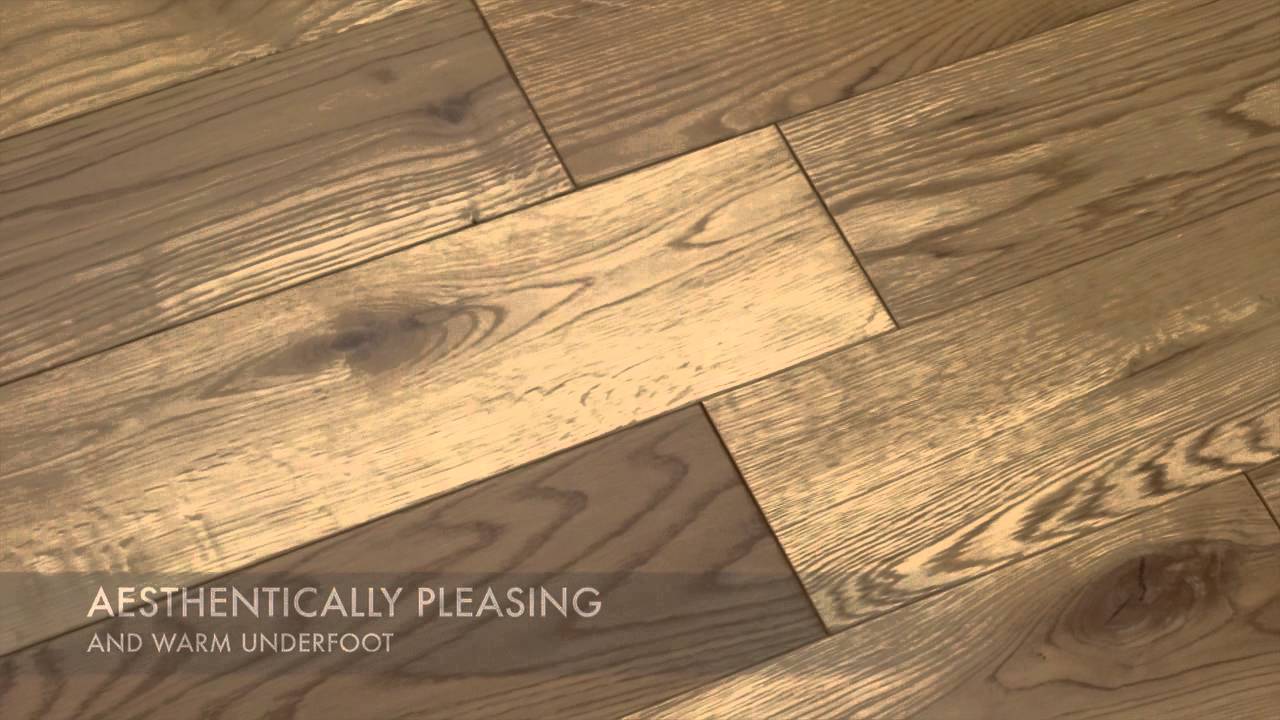
Both flooring types use real wood on the surface, meaning they can look nearly identical. You can find similar species, stains, and finishes in both options.
However:
- Solid hardwood may develop a richer patina over time
- Engineered wood offers wider plank options and modern finishes
In most cases, the visual difference is minimal.
Which One Should You Choose?
Choosing between engineered and solid hardwood depends on several factors:
- Climate and humidity levels
- Room location (above or below grade)
- Budget
- Long-term plans for the home
If you need moisture resistance and installation flexibility, engineered wood may be the better choice. If you want maximum longevity and refinishing potential, solid hardwood could be the ideal investment.
Final Thoughts
When evaluating Engineered Wood Flooring vs. Solid Hardwood: Key Differences Explained, the right choice ultimately depends on your specific needs. Both options offer natural beauty and durability, but their construction, moisture resistance, cost, and lifespan vary significantly.
