


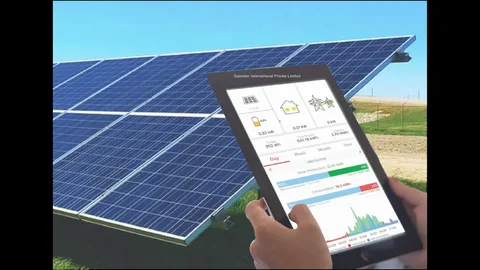
As the world increasingly focuses on sustainable energy, businesses and households face a critical decision: whether to invest in a solar power system or continue relying on traditional energy sources. Conducting a thorough cost analysis: solar power system vs traditional energy sources helps in making an informed decision that balances initial investment, long-term savings, and environmental impact.
Initial Investment Costs
One of the most significant factors in this cost comparison is the upfront cost. Traditional energy systems, such as electricity from fossil fuels, usually have lower initial installation costs because the infrastructure is already in place. In contrast, installing a solar power system requires purchasing solar panels, inverters, batteries (for storage), and professional installation services. Although this initial investment is higher, government incentives and subsidies can significantly reduce the cost, making solar more accessible.
Operating and Maintenance Costs
When considering ongoing expenses, solar power systems typically have lower operating costs than traditional energy sources. Fossil fuel-based electricity requires continuous fuel purchases, which are subject to market price fluctuations. Maintenance costs for traditional power plants, while spread across many users, can still be significant. Solar panels, on the other hand, require minimal maintenance and have long lifespans, often exceeding 25 years, making the cost analysis: solar power system vs traditional energy sources more favorable over time.
Long-Term Savings and ROI
A critical component of this comparison is the long-term financial benefit. While traditional energy sources have lower initial costs, they are vulnerable to price increases and supply instability. Solar energy, once installed, harnesses free sunlight, leading to substantial savings on monthly energy bills. Over time, many homeowners and businesses find that the return on investment (ROI) of a solar power system outweighs the higher upfront costs, making it a financially sound decision in addition to its environmental benefits.
Environmental and Social Costs
Beyond direct financial implications, a complete cost analysis should include environmental and social impacts. Traditional energy sources contribute to greenhouse gas emissions, air pollution, and health-related costs. Solar power systems generate clean energy with minimal environmental footprint, offering additional societal benefits that are often overlooked in conventional cost comparisons.
Conclusion
When weighing options for energy consumption, a comprehensive cost analysis: solar power system vs traditional energy sources reveals that while solar power may have a higher initial cost, its lower operating expenses, long-term savings, and environmental benefits make it a highly attractive alternative. For individuals and organizations looking for sustainable and cost-effective energy solutions, investing in solar technology is increasingly a smart choice.
